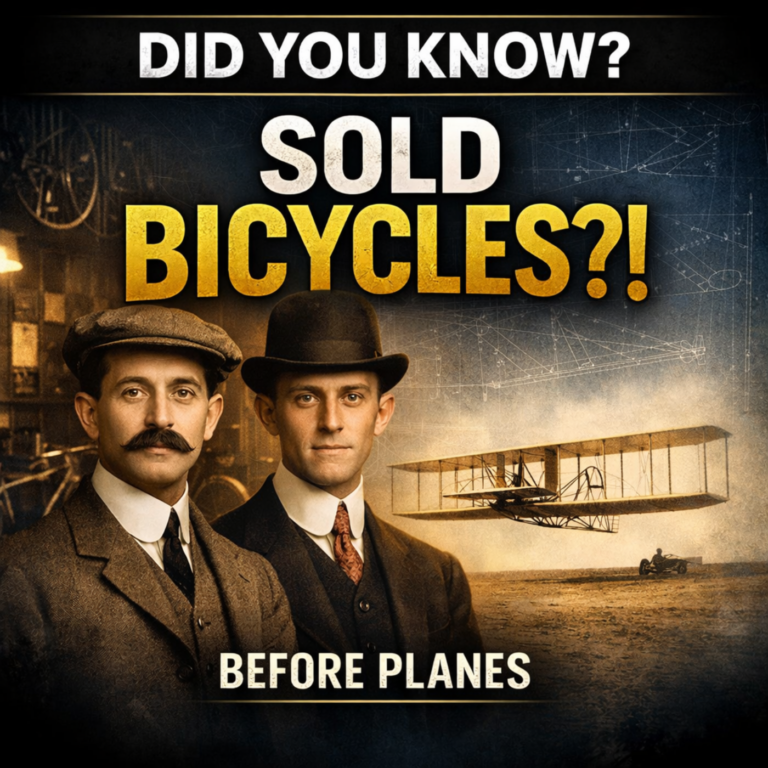
The Wright Brothers – They Sold Bicycles Before Planes

Before they made history with the world’s first powered flight, the Wright brothers were two industrious mechanics running a bicycle shop in Dayton, Ohio. Known as the Wright Cycle Exchange, their modest business opened in 1892 and evolved over time, giving the brothers valuable experience in mechanics, balance, and motion—skills crucial to aviation. It’s hard to believe that the same minds that conquered the skies started out adjusting handlebars and selling inner tubes. As cycling surged in popularity in the late 1800s, the Wright brothers capitalized on the trend by
The Train That Vanished into the Desert

We begin in the early 1900s — a freight train crossing the unforgiving deserts of the American Southwest. The train vanishes somewhere between two remote waypoints — no wreckage, no survivors, no explanation. Introduce the legend that grew from it — whispered by railroad men and desert travelers alike: “The desert took it.” Segment 2 — Steel and Sand Backtrack to the age of railroads — the expansion of the Santa Fe and Southern Pacific lines through deadly terrain. Explore the brutal conditions of desert construction, the mirages, sandstorms, and ghost

The Day the Sun Went Out

In 1859, the world saw the sky catch fire. From London to Havana, the night glowed blood red as auroras shimmered overhead, telegraph wires sparked, and operators leapt from their chairs as blue fire danced between their fingers. What no one knew was that the Earth had just been struck by a solar superstorm — a coronal mass ejection so powerful it turned the atmosphere into electricity. It became known as The Carrington Event, after the lone astronomer who first saw it coming. The storm burned out in days, but its warning has

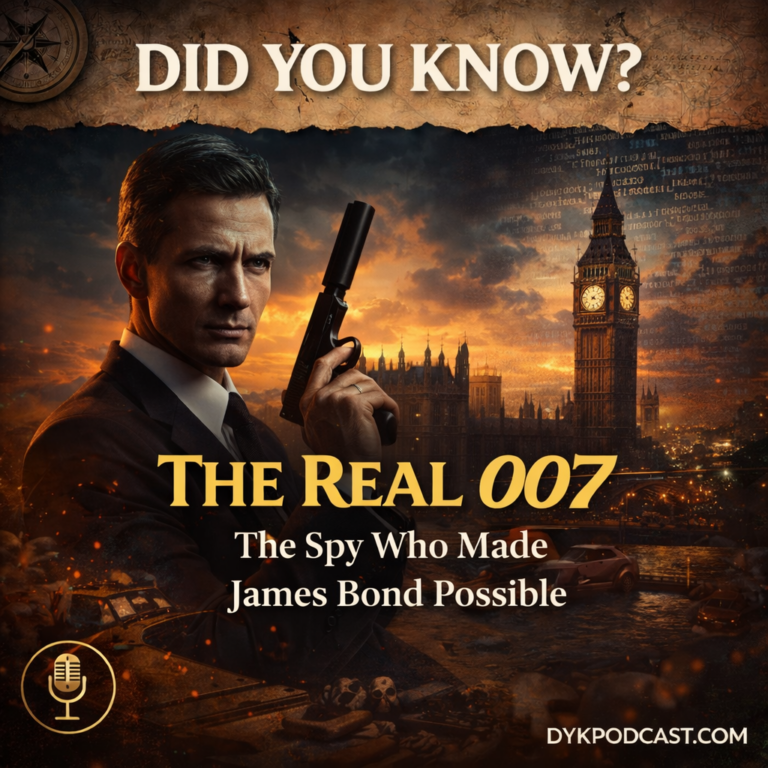
The Real 007: The Spy Who Made James Bond Possible

Before there was James Bond, there was Dusko Popov — a real-life double agent who seduced, gambled, and lied his way through World War II. Elegant, fearless, and dangerously clever, Popov lived the life Ian Fleming would later fictionalize. But behind the charm and champagne was a man playing a deadly game between two empires, where one mistake could mean death. From the glittering casinos of Portugal to secret meetings in London and Berlin, Popov became one of MI6’s most valuable assets — and the Germans’ most trusted spy. His deceptions helped mislead

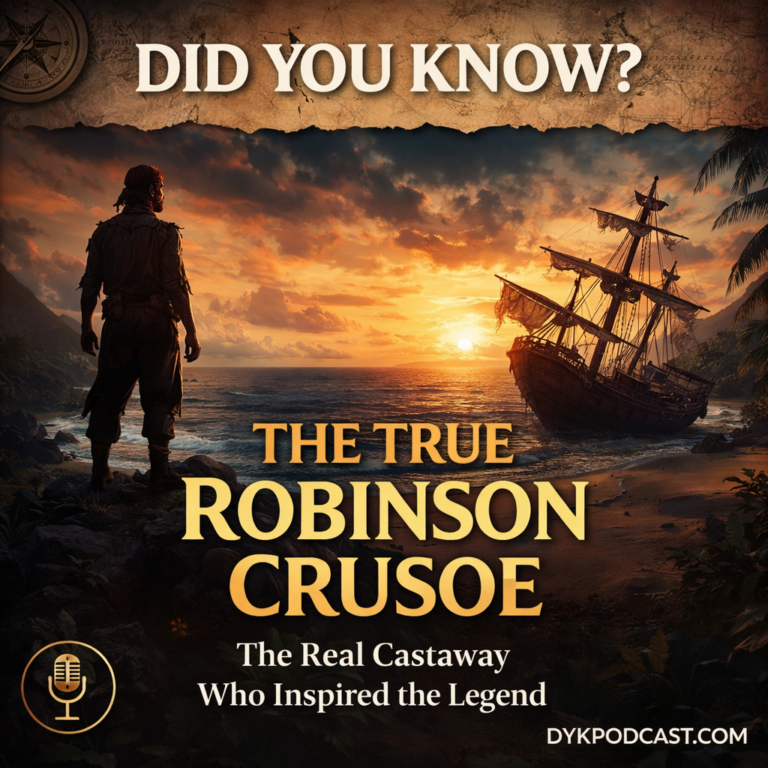
The TRUE Robinson Crusoe

Before Robinson Crusoe became one of the most famous novels in history, there was a real man who lived the story — and endured far more than fiction could capture. In 1704, Scottish sailor Alexander Selkirk was marooned on a remote island off the coast of Chile with only a few tools and a Bible. What followed was four years of complete isolation that would test the limits of human endurance, faith, and identity. Alone with no human voice, Selkirk learned to hunt, build, pray, and survive in silence. Over time, isolation transformed

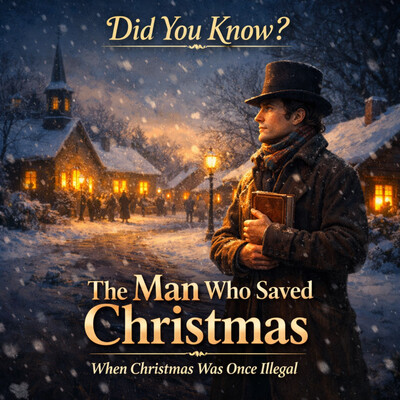
The Man Who Saved Christmas

Christmas is so woven into modern life that it’s hard to imagine a time when celebrating it was forbidden. But in early America, Christmas was once illegal — banned by law, condemned from pulpits, and erased from public life. For decades, December 25th was treated as an ordinary workday, and joy itself was viewed with suspicion. In this episode, we uncover how Christmas nearly vanished from American culture — and how one unexpected figure helped bring it back. Not a pastor. Not a politician. But Washington Irving, a storyteller who reintroduced

The Truth About Pointy Shoes in the Dark Ages

The Pointy Truth About Medieval Shoes: Status Over Sanity During the 14th and 15th centuries, one of the most extreme fashion statements in medieval Europe came in the form of exaggeratedly long, pointed shoes known as poulaines. This peculiar footwear wasn’t just about style—it was about social status, excess, and elite vanity, which often came at the expense of practicality and even health. The longer the toe of the poulaine, the higher the wearer’s rank was perceived to be. This fashion trend, according to Ripley’s Believe It or Not!, often

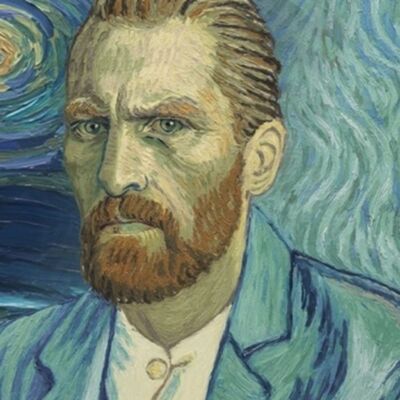
The Forgotten Genius of Vincent van Gogh

Welcome to Did You Know?, the show that uncovers remarkable, lesser-known stories that challenge what we think we know. Today, we dive into the turbulent life of Vincent van Gogh — a man who, during his lifetime, was mostly ignored, mocked, and misunderstood, only to become one of history’s most revered artists. Van Gogh was born in the Netherlands in 1853. His early life was full of uncertainty and struggle. He failed at several careers before turning to art at 27 — late, by most standards. But what followed was

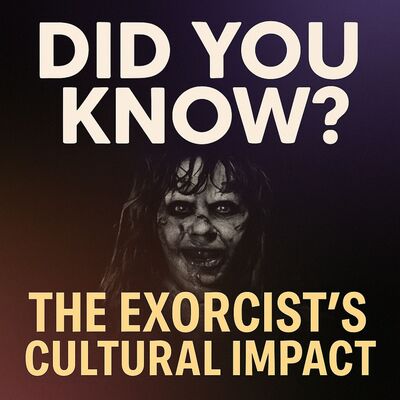
How The Exorcist Possessed American Culture?

Did You Know? How The Exorcist Possessed American Culture?The horror film released in 1973 not only terrified moviegoers but also deeply influenced religion, cinema, and culture in America and beyond? That film was The Exorcist, and its legacy reaches far beyond the screen. The Exorcist was adapted from William Peter Blatty’s 1971 novel of the same name, which itself was inspired by the alleged real-life exorcism of a young boy in Maryland in 1949. Blatty, a devout Catholic, was fascinated by the implications of demonic possession in a modern, skeptical

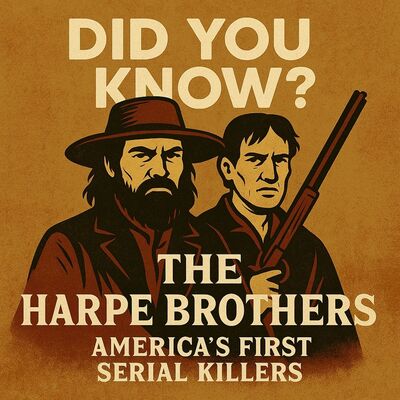
The Harpe Brothers: America’s First Serial Killers

Did You Know that America’s first known serial killers weren’t operating in the shadows of a modern city, but on the wild frontiers of the 18th century?  Meet Micajah and Wiley Harpe—two men so brutal, even their fellow outlaws were terrified of them. Known as Big Harpe and Little Harpe, these two left a trail of death and fear across Kentucky and Tennessee during the early years of the United States. The Harpes were born in the 1760s, likely in North Carolina, to Scottish immigrant families. Though they were cousins, they